

Ecotourism
Ecotourism
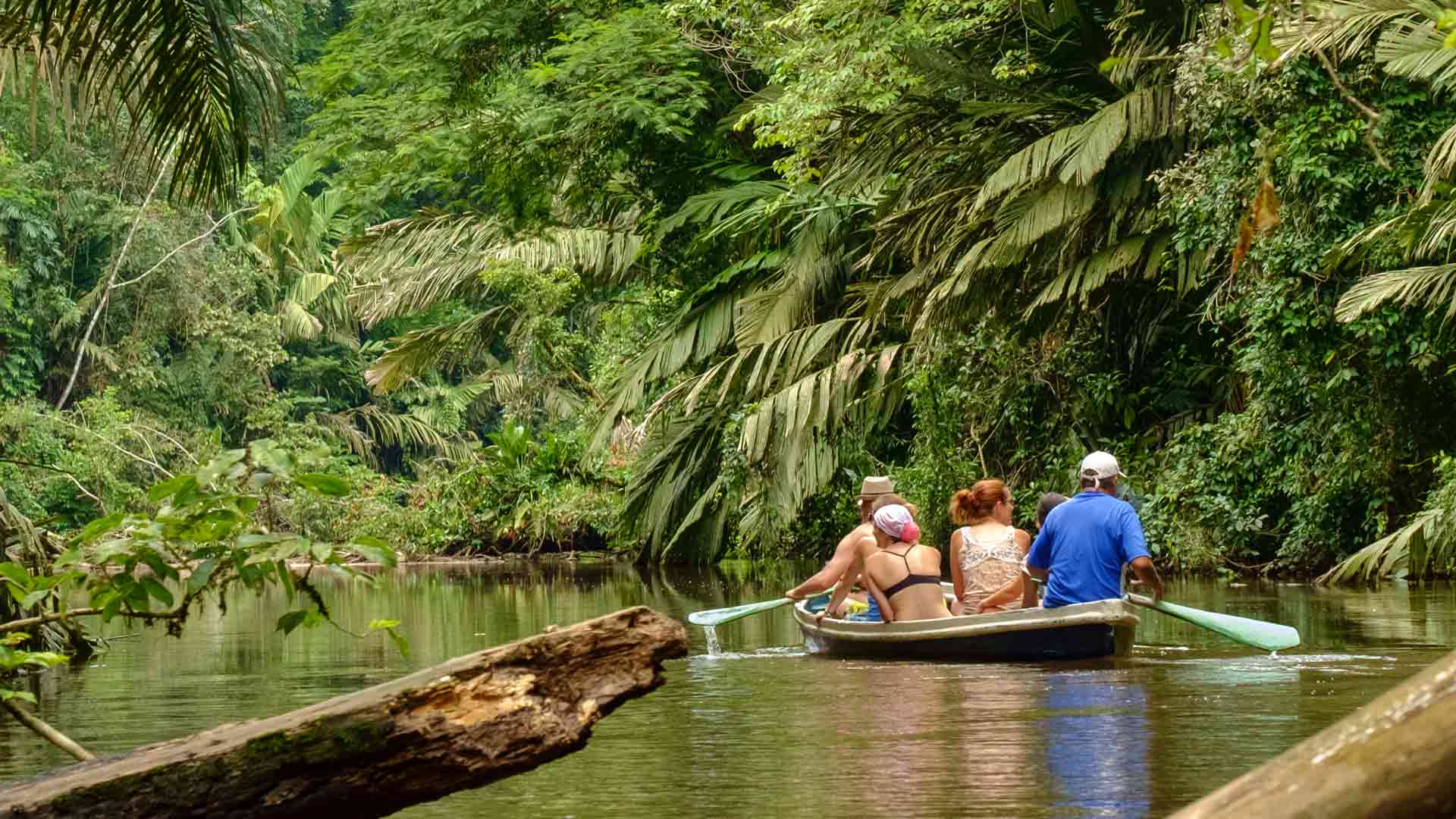
Many travel experiences take place in natural settings, from wildlife encounters to outdoor recreation. These activities can support conservation and local livelihoods, or damage ecosystems and burden communities. Ecotourism offers a way to travel responsibly in nature and ensure tourism has a positive impact.
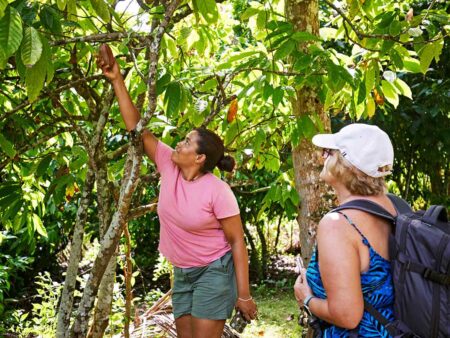
What Is Ecotourism
Ecotourism is responsible travel in natural environments that minimizes negative impacts, directly contributes to conservation, benefits local communities, and fosters respect for nature and culture through education.
What Defines Ecotourism
Ecotourism goes beyond simply traveling in nature. It’s defined by how tourism is designed and managed, and how it affects environments, communities, and local economies. The following core principles must be met for an experience to be considered ecotourism.
Minimizes Environmental Harm
Ecotourism is designed to reduce harm to ecosystems, avoiding activities that disrupt wildlife or habitats.
Respects Communities & Cultures
Ecotourism avoids activities that exploit communities, erode cultural heritage, or undermine residents’ quality of life.
Funds Environmental Conservation
Ecotourism revenue directly supports wildlife conservation, protected areas, and habitat protection.
Creates Local Economic Benefits
Ecotourism generates income and jobs for local communities, linking economic value to healthy ecosystems.
Empowers Local People as Partners
Ecotourism involves Indigenous people and local communities as decision-makers, not just service providers.
Builds Awareness & Understanding
Ecotourism supports learning among visitors and locals, fostering appreciation for nature, places, and people.
Why Ecotourism Matters Today
As more people travel in nature, the impacts of tourism are becoming more visible. When guided by ecotourism principles, travel can support local communities and protect the natural places and experiences people come to see.
What Ecotourism Looks Like in Practice
Ecotourism includes a wide range of travel experiences, from wildlife viewing and marine tourism to community-based and hands-on conservation activities. These are some of the most common types of ecotourism and some examples of what responsible practice looks like in each.

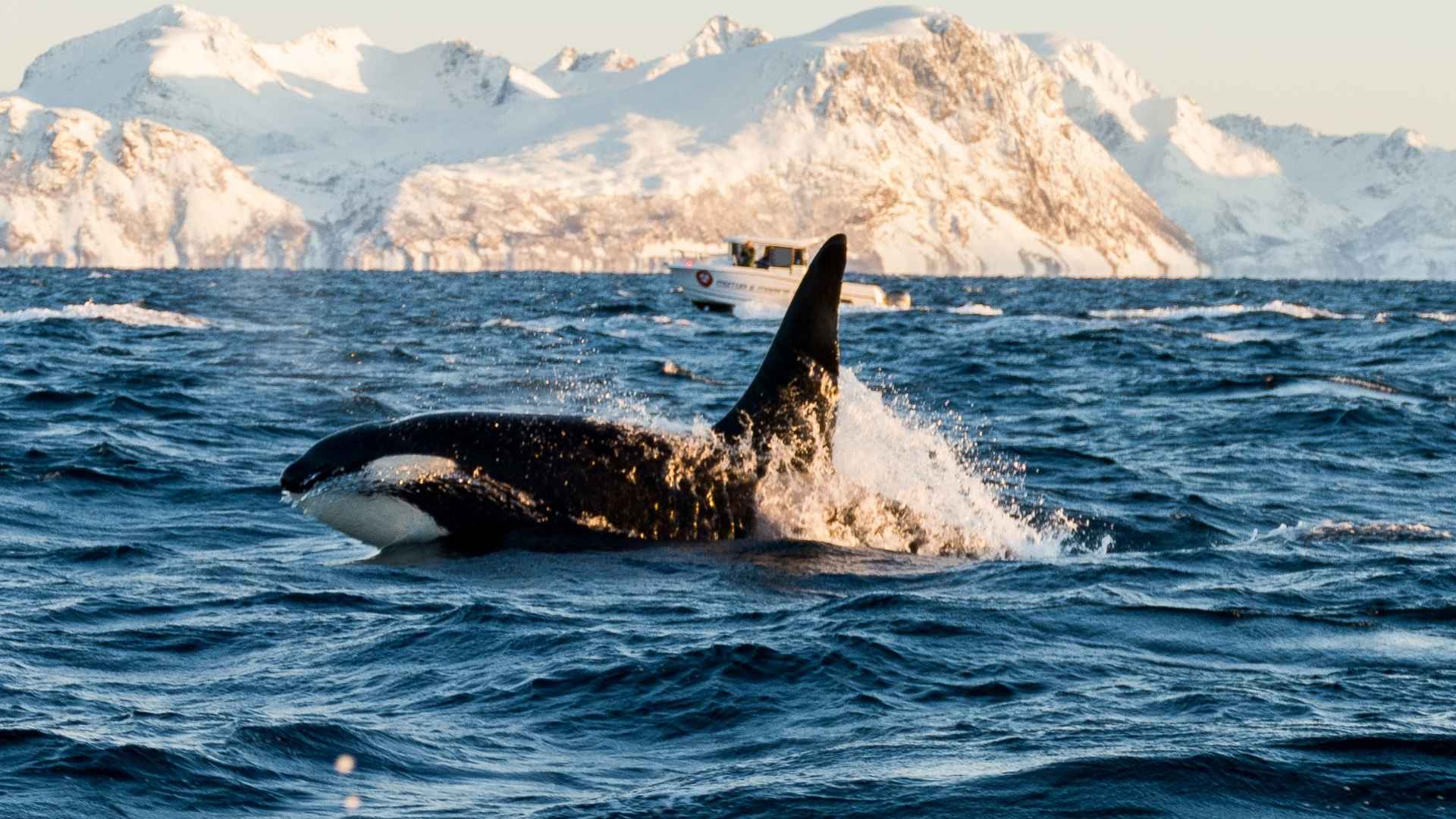
- Animals behave naturally
- Wildlife disturbance is limited
- Tourism funds wildlife protection
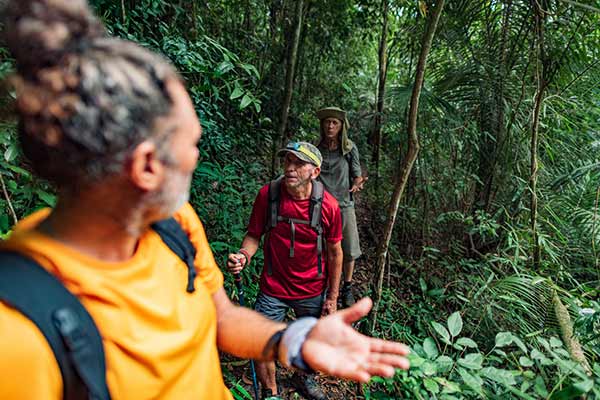
- Visitors leave no trace
- Residents access is respected
- Visitors learn about the ecosystem


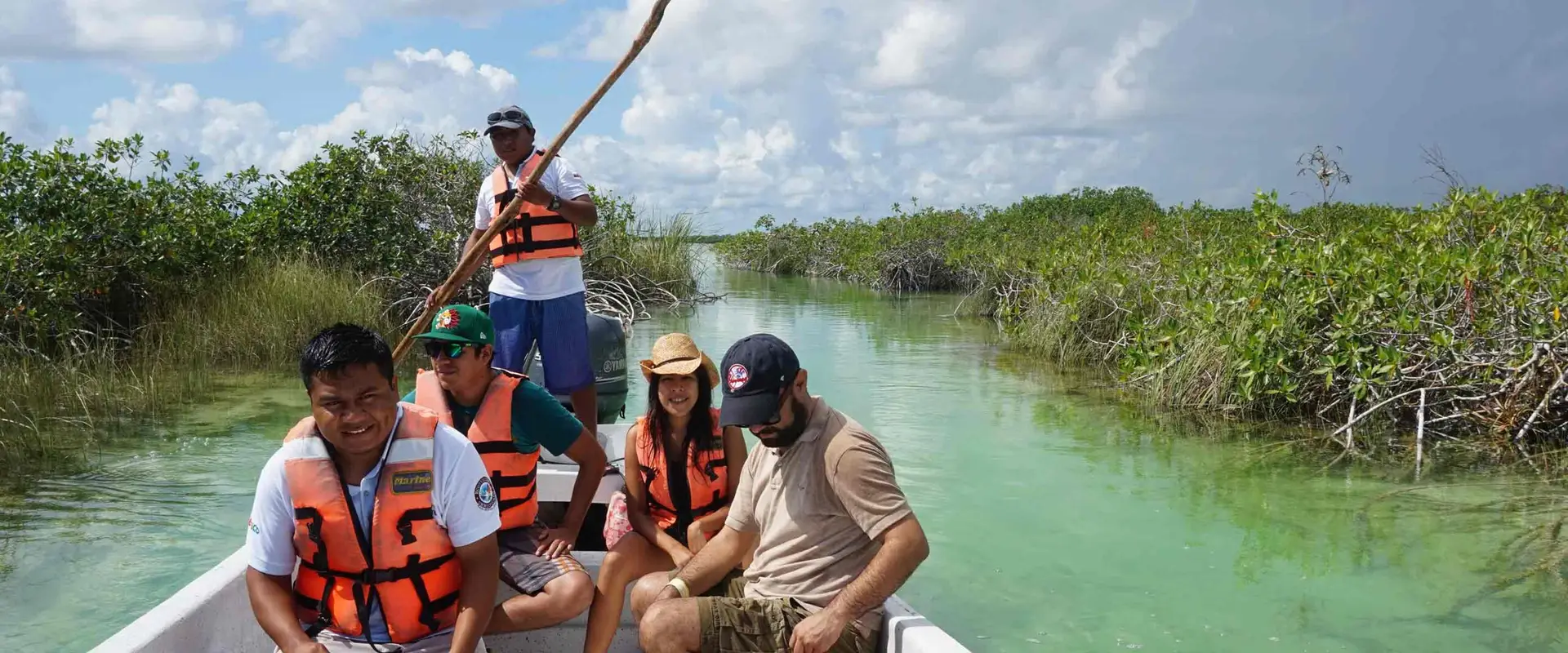
- Experiences are community-led
- Income stays local
- Authentic cultural exchange occurs


- Animal welfare comes first
- Local jobs are not replaced
- Volunteer skills match project needs
What’s Not Ecotourism: Common Red Flags
Some nature-based experiences are marketed as “eco” or “green” but don’t meet the core standards of ecotourism. Common red flags include:
“Eco” labels or conservation claims without transparency.
Wildlife interactions that involve feeding, chasing, crowding, or forced contact.
Cultural experiences staged for tourists rather than led by local communities.
Polluting, physically damaging, or loud motorized activities in ecologically sensitive areas.
Voluntourism designed for entertainment rather than conservation, with limited local oversight.

Ecotourism Experiences
These experiences illustrate how ecotourism principles can be applied in real travel experiences around the world.



Get Started With Ecotourism

Travel Responsibly
Download our sustainable travel tips to plan a more eco-conscious trip.

Support Conservation
Fund carbon offset projects that protect natural ecosystems and livelihoods.

Join as a Member
Access tools and education to help your business operate more responsibly.
Explore More Ecotourism Resources
Stay up to date with the latest ecotourism insights, stories, and practices.

Stay Connected
Get our emails for more tips on how to protect our planet’s most vulnerable and treasured destinations.
